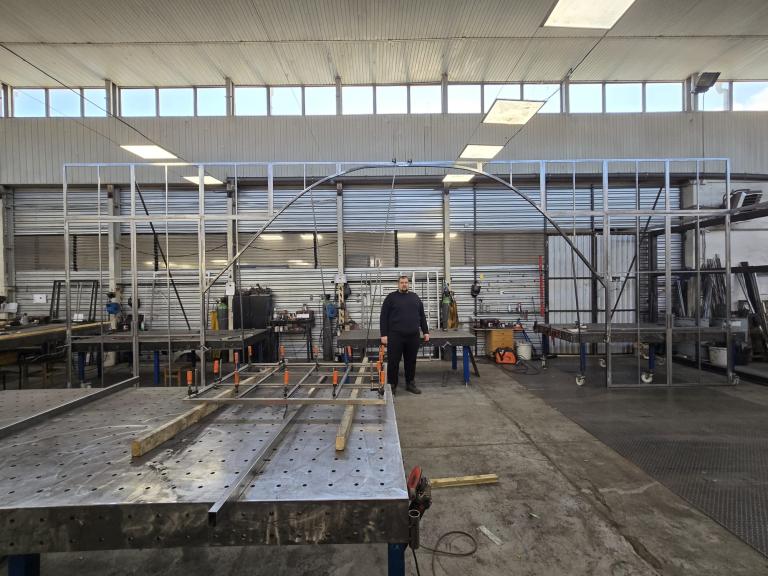
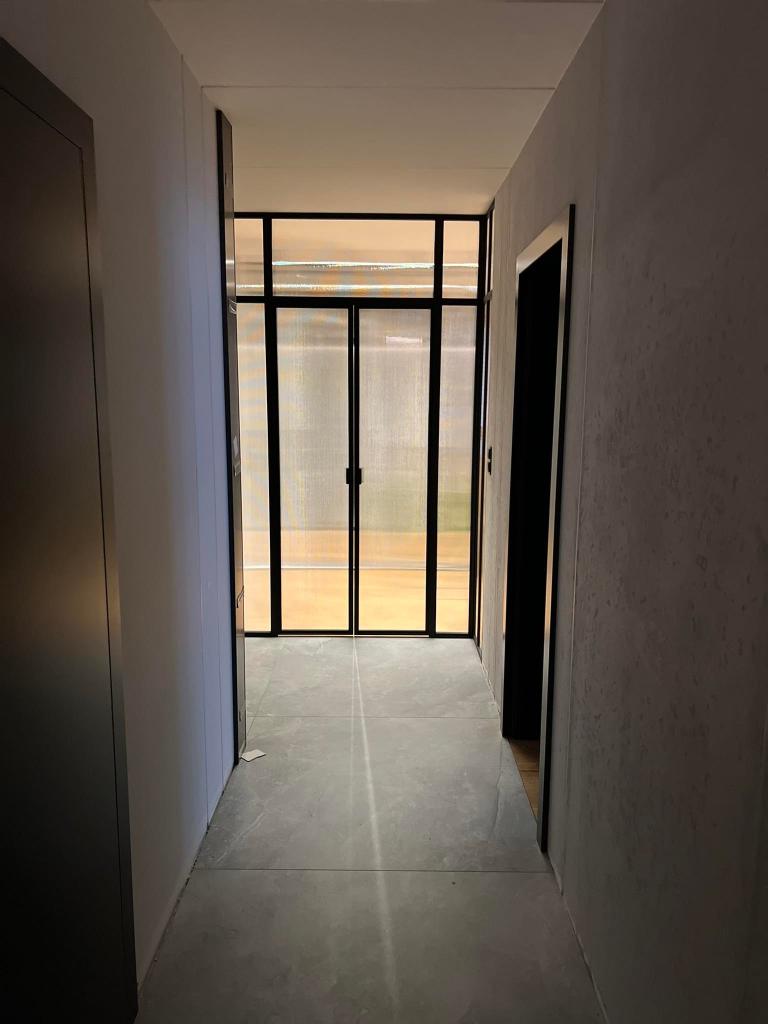
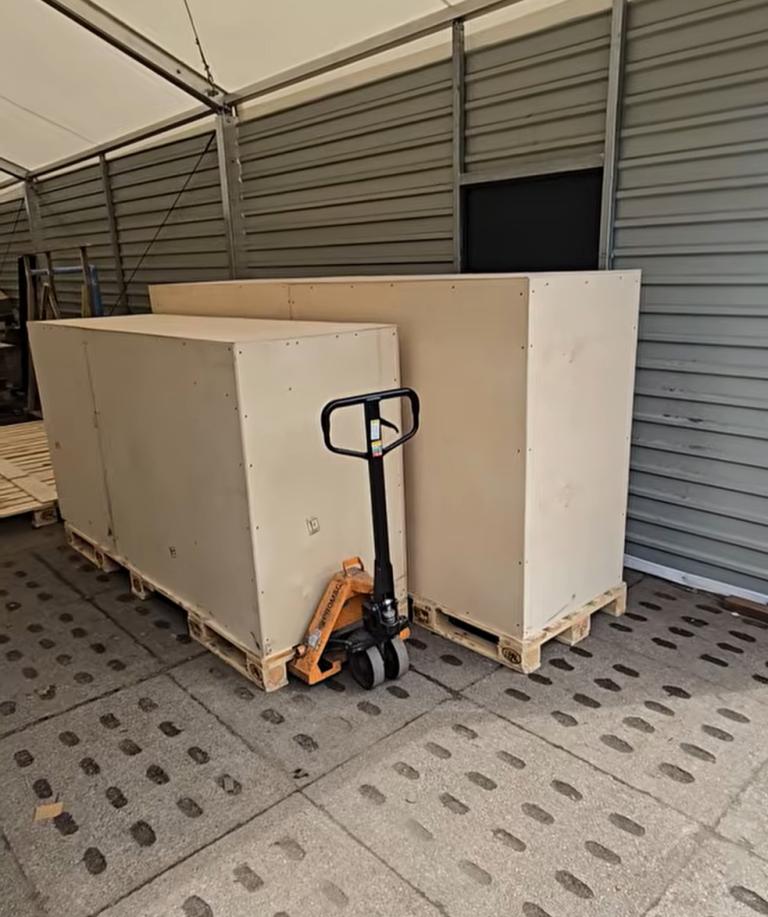
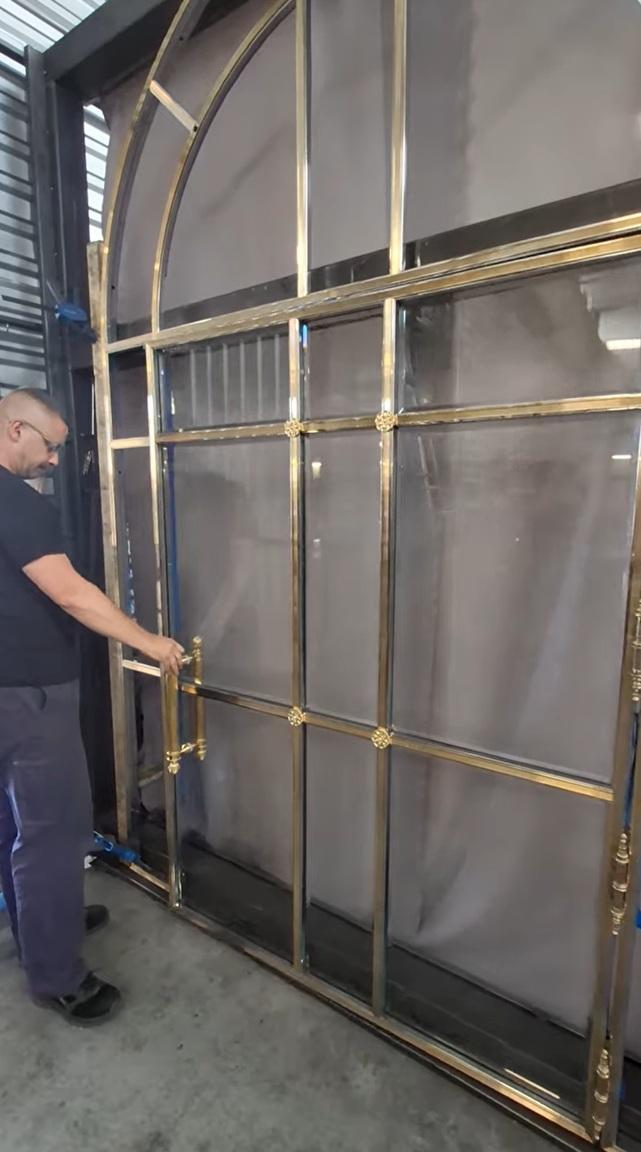
Steel-framed doors look effortless once installed, but getting them to site in perfect condition requires serious planning. One small impact can mark a finish, distort a slim profile, or compromise glazing protection. Packaging and shipping are therefore treated as an essential part of quality control—especially for bespoke, made-to-order pieces.

As a premium Polish manufacturer of bespoke steel doors and steel windows in Gdańsk, Portamet designs packaging methods to protect slim-frame glazing and precision steelwork throughout transport across Europe, the United Kingdom, the United States, Canada, and the Middle East.

What makes a steel door feel effortlessly modern rather than heavy or industrial? In many of today’s best residential projects, the answer comes down to precision: slim sightlines, balanced proportions, and detailing that looks intentional from every angle. That level of refinement rarely comes from off-the-shelf products.

Architectural projects rarely fit into standard sizes, standard details, or standard timelines. From tight renovation openings in historic buildings to perfectly aligned glazing grids in contemporary interiors, the difference between “almost right” and “exactly right” often comes down to the manufacturer’s ability to build bespoke steel frames with consistency. Portamet, based in Gdańsk, Poland, has become a go-to partner for custom projects by combining European craftsmanship, slim-profile aesthetics, and performance-led engineering for steel doors, steel windows, partitions, and screens.

When a vineyard wants an entrance that feels as memorable as the first tasting, the threshold matters. In Croatia, a 55 m² steel-and-glass entrance can become more than a façade feature—serving as a welcoming gesture, a climate buffer, and a statement of craftsmanship. Large-format glazing looks effortless when finished, but achieving that clean, slim-frame result depends on smart detailing, precise manufacturing, and the right steel system.

Choosing a modern entry door often feels like a straightforward design decision—until security, insulation, glazing, and long-term maintenance enter the conversation. The right door needs to look contemporary, perform well in everyday use, and suit the character of the building. With today’s materials and slim-profile designs, it is possible to achieve a clean, architectural look without compromising on durability or energy efficiency.

Garage-to-home entryways often look like a minor detail in a floorplan, yet they can be one of the most important safety junctions in the entire building. With vehicles, fuel containers, batteries, paints, and mechanical equipment frequently stored in garages, the risk profile is different from most other rooms. The key question becomes not only which door looks right, but which door is required—and which door is wise.

Searching for Secco Sistemi OS65-style steel windows and wondering who can manufacture them in Poland—without compromising on slim sightlines, performance, or detailing? Steel-framed glazing looks deceptively simple, yet the difference between an “industrial look” and a truly refined system often comes down to precision manufacturing, thermal engineering, and installation-ready detailing.

High-gloss metal finishes can transform a space in seconds—yet achieving a truly luxurious result requires more than shine. The difference lies in proportion, detailing, and how materials meet at every junction. A highly polished stainless steel wall with brass accents delivers a distinctive blend of contemporary glamour and architectural discipline, especially when paired with slim-frame glazing and steel-framed doors that amplify light and structure.

Remote-controlled garage doors often get treated as purely practical—until the façade design demands more. When an elevation is built around clean lines, large glazing panels, and refined materials, a bulky door or mismatched frame can undermine the entire concept. That is where slim steel systems such as Ottostumm W75 TB enter the conversation, especially on projects aiming for contemporary, industrial, or Crittall-style aesthetics.