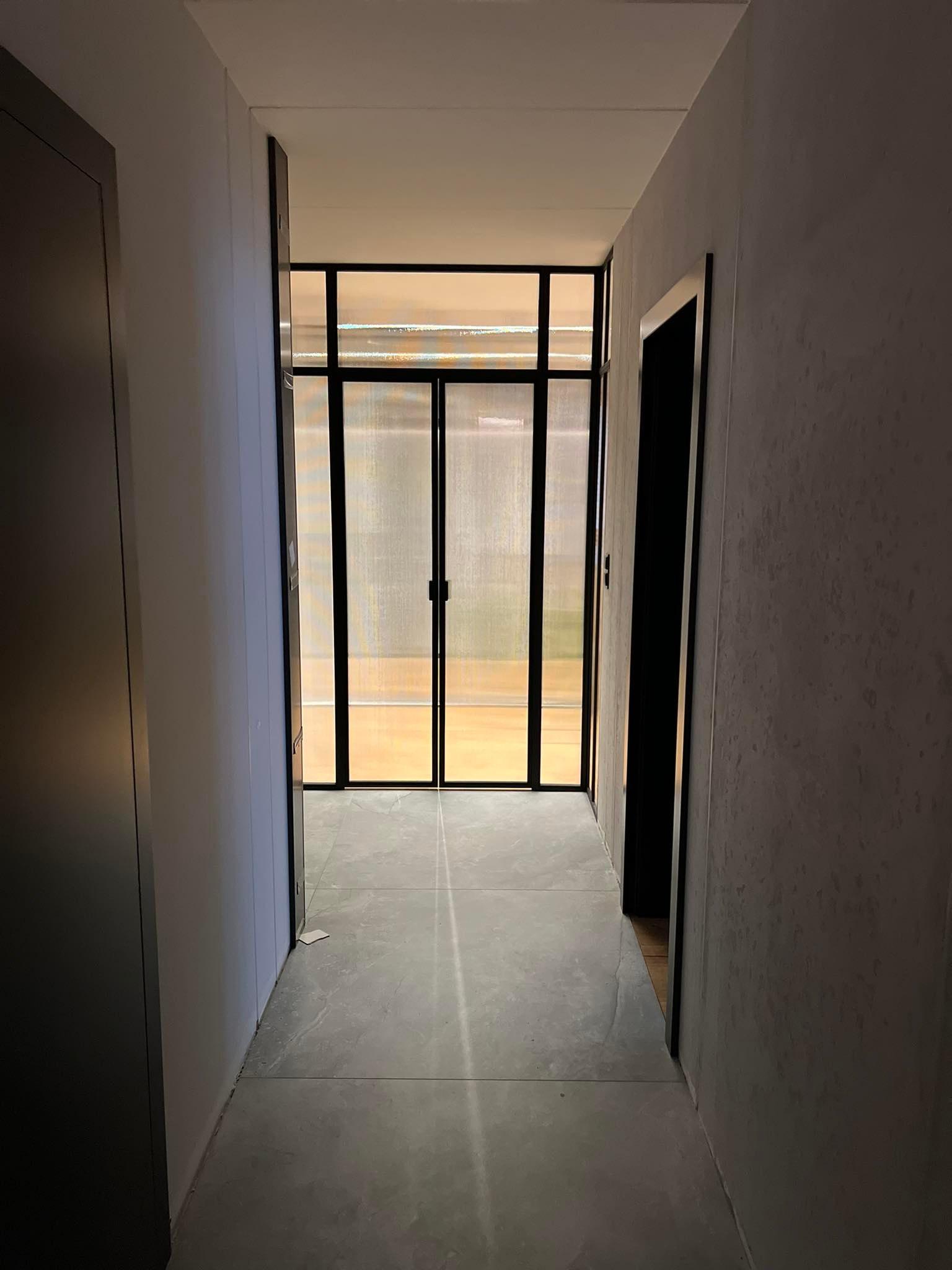
FD30 Fire Rated Steel Doors with Glass: Design Ideas for Architects & Homeowners
Fire safety requirements often arrive late in the design process—right when layouts, finishes, and sightlines have already been carefully resolved. The result can be a familiar compromise: robust doors that look heavy, interrupt light flow, and dilute the architectural intent. FD30 fire rated steel doors with glass offer a more design-led path, delivering 30 minutes of fire resistance while preserving transparency, slim proportions, and a refined industrial character.
When specified well, FD30 glazed steel doors can become a defining feature rather than a reluctant necessity. From loft-style apartments to hospitality projects, from office fit-outs to high-end residential refurbishments, steel-framed glazing supports modern detailing, long-term durability, and a sense of visual continuity across a plan. As a Polish manufacturer based in Gdańsk, Portamet produces bespoke steel doors and windows for clients across Europe, the UK, and the USA—helping design teams achieve slim-frame glazing concepts with performance requirements in mind.
What FD30 Means (and Why It Matters for Design)
FD30 indicates a fire door assembly designed to provide 30 minutes of fire resistance when tested and installed as specified. In practical terms, it helps to slow the spread of fire and smoke, supporting safer evacuation and limiting damage. For many projects, FD30 is a baseline requirement in protected routes, compartmentation lines, and areas connecting higher-risk rooms to circulation spaces.
For architects and homeowners, the key takeaway is that the “D” in FD30 refers to a door set performance, not just a leaf. The frame, glazing system, intumescent seals, ironmongery, and installation details work together as a complete assembly. A beautiful steel-and-glass door concept only performs to FD30 when the whole system is correctly designed, specified, and fitted.
Why Steel Doors with Fire-Rated Glass Are Having a Moment
Steel-framed glazing has become a staple in contemporary architecture for good reason: slim sightlines, crisp geometry, and an ability to define zones without sacrificing daylight. Adding a fire rating expands where that aesthetic can be used—especially in properties that need protected circulation, separated kitchens, or compartmentation between stairwells and living spaces.
FD30 fire rated steel doors with glass suit both minimalist interiors and more decorative schemes. Black steel works well against stone, timber, and plaster; warm greys and bronzes can soften the industrial edge; and carefully chosen glazing turns a compliance-driven element into an architectural focal point.
Core Specification Principles for FD30 Glazed Steel Doors
Think in Door Sets, Not Door Leaves
An FD30 solution typically needs a complete door set with tested or assessed components. That usually includes the steel frame, steel leaf, fire-rated glazing, seals, and compatible hardware. Early coordination reduces redesign later—especially when thresholds, floor finishes, and wall build-ups influence the installation detail.
Glazing Choice Drives Aesthetics and Performance
Fire-rated glass is not one product; it is a family of solutions with different behaviours, thicknesses, and visual characteristics. Some options focus on integrity (preventing flames and hot gases passing through), while others offer integrity plus insulation (reducing heat transfer). The correct selection depends on location, regulations, and the broader fire strategy.
From a design perspective, glass clarity, edge detail, and reflectance can influence how “light” the door reads. Where possible, specification should consider how glazing interacts with daylight, privacy needs, and adjacent glazing elements.
Hardware and Seals Must Be Compatible
Handles, locks, hinges, closers, and any access control should be selected to suit the rating and door mass. Intumescent and smoke seals are critical—yet often overlooked in design discussions. When integrated cleanly, seals do not need to undermine the minimalist look that steel doors are chosen for.
Installation Quality Is Part of Performance
Even the best-designed fire rated steel door can underperform if installation tolerances are wrong. Gaps, packing, fixings, and perimeter sealing all matter. Clear site documentation and a coordinated detail between door supplier, contractor, and fire consultant helps preserve both the rating and the visual outcome.
Design Ideas: Where FD30 Steel Doors with Glass Work Best
1) Kitchen-to-Hall Separation Without Losing Daylight
Open-plan living remains popular, but many homes—particularly renovations and multi-storey properties—benefit from keeping kitchens separated from escape routes. An FD30 glazed steel door between a kitchen and hallway can preserve openness while meeting safety expectations. The glass keeps the hall bright, and the steel frame introduces definition without a solid visual barrier.
Design tip: consider a single pivot or hinged leaf for compact halls, or a wider double set where the hallway serves as a main axis through the plan. A transom can increase daylight transfer while maintaining a strong grid composition.
2) Stairwell Compartmentation with a Minimalist Edge
Staircases are often part of the protected route in residential and mixed-use buildings, especially where rooms open directly onto landings. FD30 steel doors with glass offer a way to compartmentalise a stair enclosure while still showcasing the stair as a design element. This is particularly effective in townhouses, loft conversions, and split-level apartments.
Design tip: align mullions with stair balustrade posts or stringer geometry to create a deliberate rhythm, rather than allowing the door grid to feel unrelated to the stair design.
3) Home Office and Studio Zones that Still Feel Connected
Dedicated workspaces benefit from acoustic and functional separation, but many homeowners want to keep visual connection to the rest of the home. A glazed steel partition with an FD30 door can define a home office while maintaining daylight and a sense of shared space.
Design tip: specify reeded or partially obscured fire-rated glass when privacy is important, keeping clear glazing at the head to borrow light from adjacent rooms.
4) Apartment Corridor Entrances with a Premium Feel
In multi-residential buildings, corridor and lobby environments can feel repetitive. Where layouts allow, a glazed FD30 steel door set can elevate a threshold into a signature element—especially for amenity spaces, meeting rooms, or shared lounges. Steel also holds up well in higher-traffic areas when specified appropriately.
Design tip: coordinate door finish with handrails, signage, and lighting trims for a coherent palette that feels intentional rather than “added later.”
5) Hospitality Projects: Back-of-House to Front-of-House Transitions
Restaurants, boutique hotels, and event venues often require fire separation between service areas and guest zones. A steel-and-glass FD30 door can meet functional needs without forcing a visual downgrade in key sightlines. When used cleverly, it can even become part of the venue’s identity—echoing vintage workshop glazing or Art Deco lines.
Design tip: balance transparency with operational realities by using glass in the upper panels and more robust steel panels below, where scuffs and impacts are more likely.
6) Basements, Plant Rooms, and Utility Areas—Upgraded Aesthetics Where It Counts
Utility spaces often need fire separation, but that does not mean they must look purely technical—particularly in high-end homes or design-led commercial projects. A discreet FD30 steel door with a small glazed panel can provide visibility and a sense of quality even in secondary zones.
Design tip: use smaller glazing sizes to preserve privacy and reduce visual clutter, especially when the view beyond is not meant to be featured.
7) Steel Doors as a “Light Valve” in Deep Plans
In deep-plan refurbishments, daylight is precious. Fire-rated glazed steel doors can act as light valves, allowing borrowed light to travel further into internal corridors or stair halls. This approach can reduce reliance on artificial lighting and make tight spaces feel calmer.
Design tip: treat the door grid as part of a broader composition—align it with ceiling lines, wall panelling joints, or floor patterns to reinforce order and proportion.
Choosing the Right Configuration: Single, Double, and Fixed Glazing Options
Single Leaf Doors
Single leaf FD30 glazed steel doors suit most residential and smaller commercial applications. They work well in hallways, kitchens, studies, and between living areas. Slim-frame glazing helps keep the door elegant even when the leaf needs to be robust.
Double Doors
Where generous openings are desired—between a lounge and dining space, or for a feature transition into an office—double doors offer a ceremonial feel. The additional width can improve movement and create a stronger symmetry, particularly with a central meeting stile and consistent glazing bars.
Side Lights and Overlights
Adding glazed side panels or an overlight can transform an FD30 door into a complete glazed screen. This can dramatically increase borrowed light and create an architectural “portal” effect. It also allows the active door leaf to remain at a comfortable size while still achieving a wide glazed composition.
Design tip: use an overlight to align the door head with a higher ceiling datum, maintaining tall proportions even where the door itself must suit practical opening forces and hardware constraints.
Grid, Sightlines, and Proportion: Making Fire Rated Steel Doors Look Intentional
The most successful steel-and-glass designs look effortless, but they are usually carefully proportioned. Fire-rated requirements can influence mullion placement, glazing size, and framing build-up, so it helps to start with a clear design language early on.
Consider a “Primary Geometry”
Decide whether the design should read as a single large pane with minimal interruption, a classic Crittall-style grid, or a more contemporary asymmetrical composition. Consistency across a project elevates the result—especially when multiple doors and screens appear in the same sightline.
Align with Architectural Datums
Aligning glazing bars with adjacent window mullions, cabinetry divisions, or wall panelling joints creates visual calm. Misalignment is one of the quickest ways for bespoke steel glazing to feel accidental.
Balance Slenderness with Real-World Durability
Steel allows for slim profiles, but fire-rated assemblies can require additional detailing. The goal is not the thinnest possible line at any cost, but a balanced profile that reads refined while staying robust under daily use.
Portamet’s bespoke approach makes it easier to coordinate sightlines and proportions with the broader architectural scheme while still meeting performance expectations for steel doors and steel windows.
Finish and Colour Ideas for FD30 Steel Doors with Glass
Matte Black for Classic Industrial Contrast
Matte black remains a popular choice because it frames views cleanly and works with almost any material palette. It can feel crisp against white walls, or rich against timber, brick, and stone. For a softer look, deep charcoal can reduce contrast while keeping definition.
Warm Greys and Greige for Softer Minimalism
Warm greys suit Scandinavian-inspired interiors and calmer commercial spaces. They can feel less graphic than black while still delivering the steel aesthetic.
Bronze and Dark Metallic Tones for Hospitality and High-End Residential
Bronze-like finishes can bring warmth and a sense of craftsmanship, especially when paired with timber floors, brass hardware, or textured stone. These tones can make the door feel more like furniture than a purely architectural element.
White Steel Frames for Light, Coastal, or Heritage Contexts
White or off-white steel frames can look refined in bright interiors and can suit projects where black feels too industrial. This can be particularly appropriate in coastal properties or where the aim is to blend doors into light-painted joinery.
Privacy Without Losing the Steel-and-Glass Look
Not every location benefits from full transparency. Bedrooms, bathrooms, and certain office environments need privacy, but the steel-and-glass language can still work with the right glazing choice.
Reeded or Textured Fire-Rated Glass
Textured glass obscures direct views while keeping light transmission high. It also adds visual interest, catching light differently throughout the day.
Sandblasted or Acid-Etched Finishes
Etched glass can provide an even, modern privacy effect. It is especially useful for doors into bathrooms or treatment rooms in hospitality settings.
Partial Privacy Strategies
Privacy can be achieved by using obscured glass in lower panels and clear glass above, or by introducing a mid-rail at eye level. This maintains openness while respecting functional needs.
Residential Renovation Scenarios: Where FD30 Glazed Steel Doors Solve Common Problems
Loft Conversions and Attic Floors
Loft conversions often introduce new stair arrangements and protected routes. An FD30 glazed steel door at the top or bottom of the stair can support a compliant strategy while keeping the conversion feeling bright rather than boxed-in.
Period Properties with Modern Interiors
In Georgian, Victorian, or early 20th-century homes, steel-and-glass can act as a contemporary layer that contrasts respectfully with original detailing. Fire-rated performance is particularly helpful when updating kitchens, adding utility rooms, or creating new circulation paths.
Open-Plan Ground Floors
Large open-plan layouts can still benefit from the ability to close off zones when needed—cooking, entertaining, or managing noise. A glazed FD30 steel door provides that flexibility without turning the plan into a series of opaque compartments.
Commercial and Workplace Ideas: Creating Safe, Light-Filled Plans
Meeting Rooms and Focus Rooms Along Escape Routes
Glass-fronted meeting rooms are popular for transparency and wayfinding, but fire strategies can complicate the layout. An FD30 glazed steel door set can maintain the visual openness while supporting compartmentation where needed.
Creative Studios and Showrooms
Studios often rely on daylight and a sense of volume. Fire-rated steel-and-glass partitions can define zones—workshop, office, client area—without breaking the atmosphere that makes creative spaces appealing.
Retail and Mixed-Use Ground Floors
In mixed-use buildings, ground floors may need separation between retail units and back-of-house areas. A well-detailed steel door with fire-rated glass can look premium for customers while serving operational needs.
Crittall-Style Aesthetic with FD30 Performance: What to Know
“Crittall-style” has become shorthand for slim, black, grid-pattern steel glazing. Achieving that look in an FD30 assembly is possible, but it requires careful engineering and realistic expectations around sightline sizes, glazing dimensions, and detailing.
Key design move: choose a grid that looks authentic but does not overcomplicate the fire-rated construction. Fewer, well-placed bars can appear more architectural than a busy grid, particularly when the door also needs closers and seals.
Detailing Considerations Architects Appreciate
Thresholds and Floor Transitions
Threshold design affects accessibility, acoustic performance, and visual cleanliness. Coordination with floor finishes is essential, especially in refurbishment projects where levels vary between rooms.
Wall Build-Ups and Fixing Zones
Steel frames need appropriate fixing points and stable substrates. Early confirmation of wall types—masonry, stud, concrete—helps avoid compromises on site. Where slim profiles are important, neat architrave-less details or shadow gaps can be explored if the wall construction allows it.
Door Closers and Opening Forces
Fire doors often require self-closing devices. The challenge is keeping the look minimal without ignoring real-world usability. Concealed closers can preserve clean lines, but suitability depends on door design, weight, and frequency of use.
Acoustic Expectations
While FD30 relates to fire resistance, many projects also expect some acoustic control. Glass and steel can perform well when specified with appropriate seals and glazing build-ups, but acoustic targets should be discussed early rather than assumed.
Common Specification Mistakes to Avoid
Designing the Door Before Confirming the Fire Strategy
FD30 requirements depend on building type, layout, and local regulations. A fire consultant’s input early on avoids redesign and helps place fire-rated doors only where needed.
Assuming Any Glass in a Steel Door Is Fire Rated
Fire-rated glass must be specified explicitly, and the entire system must be compatible. Substituting products late can affect both compliance and appearance.
Overcomplicating the Grid
Very small panes can add cost and complexity, and may not deliver the cleanest result once seals and beads are considered. Often, a calmer grid with fewer divisions looks more premium.
Neglecting Hardware Coordination
Handles, cylinders, access control, and closers are visible design elements. Coordinated finishes and consistent design language make the door feel integrated rather than “bolted on.”
How Bespoke Manufacturing Improves Outcomes for FD30 Glazed Steel Doors
Fire-rated steel doors with glass are rarely truly standard, especially in design-led projects. Opening sizes vary, ceiling heights differ, and alignment with adjacent glazing can make or break the aesthetic. Bespoke manufacturing allows sightlines, proportions, and panel layouts to be tailored to the architecture rather than forcing the architecture to adapt to a catalogue door.
Portamet manufactures bespoke steel doors and steel windows in Poland, with an emphasis on slim steel profiles, careful craftsmanship, and durable finishes. Custom production supports design coordination across doors, fixed screens, and adjoining glazing. International delivery enables projects in Europe, the UK, and the USA to access European-made steel-framed systems aligned with contemporary architectural expectations.
FD30 Glazed Steel Doors in Real Interiors: Styling and Material Pairings
Timber and Steel: Warmth Meets Precision
Steel frames sharpen the edges of timber interiors, while timber softens steel’s industrial character. Oak floors, walnut cabinetry, and timber slats pair particularly well with black or bronze-toned steel.
Stone and Plaster: Quiet, Gallery-Like Spaces
In minimal interiors with microcement, limewash, or stone, FD30 glazed steel doors can add structure and rhythm. The frame acts like a line drawing against calm surfaces.
Brick and Concrete: Loft-Inspired Authenticity
Exposed brick and concrete already speak the language of industrial architecture. Steel-and-glass doors reinforce that narrative while elevating the finish level, particularly when profiles are slim and details are crisp.
FAQ-Style Guidance for Early-Stage Decisions
Can FD30 steel doors still have slim sightlines?
Slim sightlines remain one of steel’s key advantages, and many FD30 glazed designs can keep a refined look. Final profile dimensions depend on the specific door set design, glazing requirements, and hardware integration.
Do FD30 glazed steel doors work in exterior applications?
FD30 commonly relates to internal compartmentation, but some projects require fire-rated performance in more exposed locations. Suitability depends on the broader specification, including thermal performance, weathering, and compliance requirements.
Is a Crittall-style grid always the best choice?
Not necessarily. Some spaces benefit from a single large glazed area with minimal bars, while others suit a more articulated grid. The best choice aligns with the architecture’s proportions and the project’s overall detailing strategy.
Bringing It All Together: Safety, Light, and Architectural Intent
FD30 fire rated steel doors with glass sit at the intersection of compliance and design—exactly where many projects succeed or fail. With the right concept, they support compartmentation without sacrificing daylight, maintain clean modern sightlines, and add a durable, crafted element to daily circulation.
For projects seeking bespoke steel frames with a refined industrial aesthetic, Portamet’s made-to-order steel doors and steel windows offer a route to coordinated, slim-frame glazing—delivered to clients across Europe, the UK, and the USA. Enquiries, drawings, and project requirements can be shared to explore options and request a tailored quote for an FD30 glazed steel door set that fits the design vision as well as the performance needs.