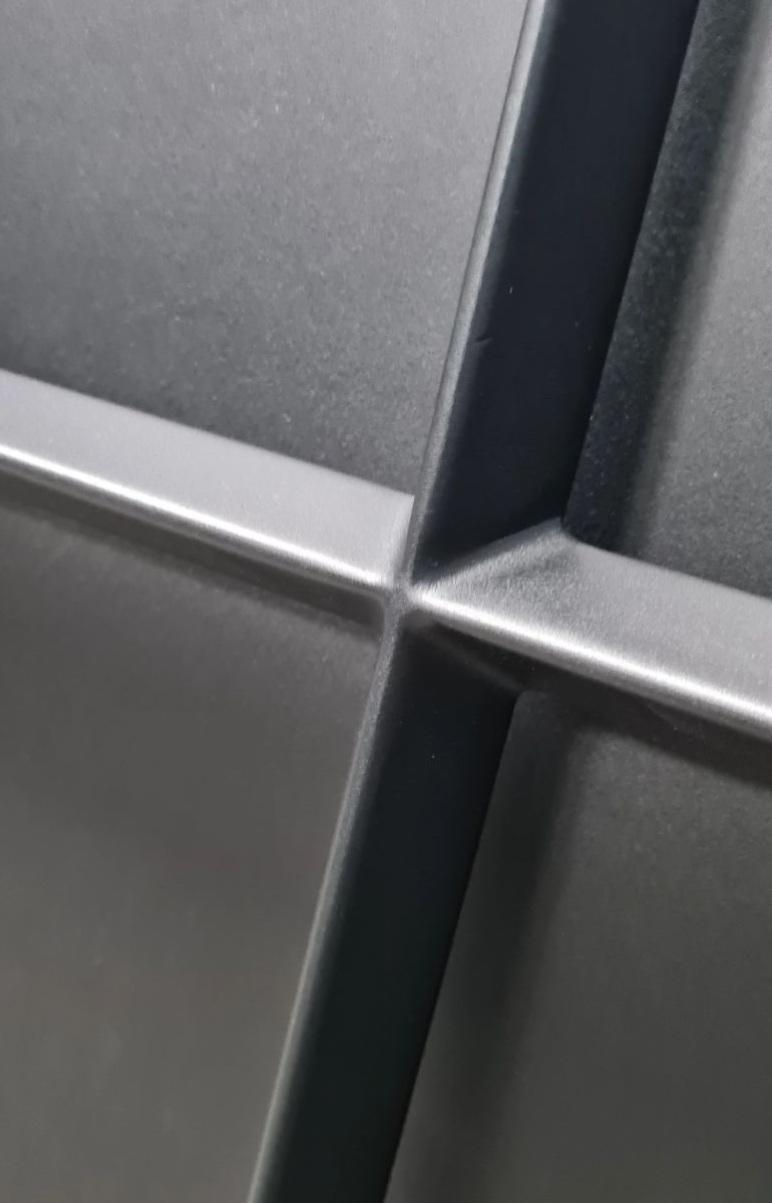
Exploring Heritage Steel Windows with Triangle Mullion
Heritage steel windows hold a distinguished place in architectural history and modern design, providing a perfect fusion of aesthetics, durability, and functionality. Among the unique designs and styles, windows with a triangle mullion stand out not only for their structural implications but for their historical and visual significance. This blog post explores these charming steel windows, covering their history, characteristics, benefits, and contemporary relevance.
Understanding Heritage Steel Windows
Heritage steel windows, often found in industrial, commercial, and historic residential buildings, are celebrated for their robustness and timeless appeal. Originating in the early 20th century, these windows became prominent due to their minimalist lines, allowing maximum daylight and ventilation. Architects and designers favored them during the International Style's height, emphasizing functionality over ornamentation.
Historical Overview
The advent of steel windows can be traced back to the late 19th and early 20th centuries, coinciding with advancements in steel production. Their durability and slim profiles made them an attractive alternative to timber frames, which were more susceptible to weather-related damage. Notably, steel windows were central to the Art Deco and Modernist movements, where sleek lines and geometric forms were highly valued.
During the Industrial Revolution, factories and warehouses prominently featured steel windows due to their ability to cover large openings and their cost-effectiveness. Today, these windows symbolize a nostalgic return to industrial-chic aesthetics, blending the old with the new.
The Triangle Mullion Design
A key feature that distinguishes certain heritage steel windows is the triangle mullion. Mullions, primarily used to divide window units, can be shaped variably to enhance aesthetic appeal and structural integrity. The triangle mullion adds a distinctive touch to otherwise sharp, linear designs. It creates intruiging patterns and dynamic visual interest by breaking the monotony of straight lines.
Architectural Significance
The triangle mullion introduces geometrical complexity and stability while maintaining the minimalist charm that heritage steel windows are known for. This design is not merely decorative but also contributes to load distribution within the window unit. The triangular configuration enhances the frame's strength, an essential characteristic when dealing with expansive panes typically associated with steel windows.
Visual Appeal and Aesthetic Versatility
Aesthetically, windows with a triangle mullion offer a captivating visual break in repetitive architectural facades. The configuration often resembles the peaks of mountains or abstract forms, appealing to the viewer's sense of balance and proportion. In modern renovations and retrofits, architects cleverly leverage this design to bridge the gap between traditional construction and contemporary minimalism.
Benefits of Steel Windows with Triangle Mullion
Heritage steel windows with triangle mullions offer several practical and aesthetic advantages. These benefits have ensured their continued presence in both restoration projects and modern architectural endeavors.
Durability and Strength
One of the foremost advantages is their unparalleled strength. Steel, as a material, outperforms other window frame materials in terms of tensile strength and longevity. The inclusion of the triangle mullion further enhances the structural integrity, distributing weight and resisting deformation even under significant stress or environmental factors.
Energy Efficiency
Modern adaptations of heritage steel window designs incorporate advanced glazing solutions, including double or triple glazing. These improvements significantly enhance their thermal inefficiency, making them a practical choice for energy-conscious construction practices without losing the aesthetic aspect of historical features.
Minimalist Aesthetics
Steel windows with triangle mullions adhere to minimalist design principles, offering clean lines and simplicity. This makes them versatile for use in various architectural styles, from the industrial to the ultra-modern. Their distinctive profiles contribute to a sense of openness and connectivity to the outside environment.
Eco-Friendly
Steel is a recyclable material, and heritage windows often have life spans extending well beyond their initial use. By preserving or restoring steel windows, environmental impact is minimized, aligning with sustainable building practices. The window's lifecycle contributes positively to resource management and waste reduction.
Applications in Contemporary Design
Despite their historical origins, heritage steel windows with triangle mullions are increasingly sought after in modern architecture. This section delves into their applications and how they complement contemporary design philosophies.
Residential Architecture
Homeowners and architects are turning towards steel windows with triangle mullions for remodeled homes and new builds. Their sleek profiles and strong lines lend themselves well to open-plan living spaces that capitalize on natural light. When used in residential settings, these windows enhance both aesthetic appeal and property value.
Commercial Spaces
In commercial architecture, these windows offer a blend of prestige and durability. They are often used to create a welcoming, light-filled environment that does not sacrifice security or energy efficiency. Retail spaces, office buildings, and hotels integrate these windows for their elegant yet unobtrusive presence.
Preservation and Restoration Projects
Reviving historic buildings often involves restoring or replicating existing features to maintain authenticity. Heritage steel windows with triangle mullions are crucial in restoring buildings to their original state while upgrading to modern performance standards. With regulations in place for preserving historical sites, these windows are ideal solutions.
Challenges and Considerations
While the allure of heritage steel windows is undeniable, some challenges need addressing to ensure their successful implementation.
Cost Implications
The authentic replication or restoration of heritage steel windows can be costly. The processes involved in ensuring modern performance standards are met (such as thermal efficiency) may also increase costs. However, these are often balanced by the value added and long-term benefits provided.
Maintenance Requirements
Though durable, steel windows require routine maintenance to prevent corrosion and ensure continued performance. Regular inspections, cleaning, and protective coatings can mitigate these risks, though they require an upfront investment in upkeep knowledge and time.
Innovations in Steel Window Design
The evolution of steel window technology introduces innovations that blend the traditional appeal with the advancements in building materials and techniques. These improvements retain the character of heritage-style windows while meeting the demands of contemporary users.
Advanced Glazing Techniques
New glazing technologies allow steel windows to achieve superior insulation and soundproofing properties. Low-emissivity coatings and argon-filled panes add significant value to the traditional window designs, completing a symbiosis between the classic and the modern.
Corrosion-Resistant Coatings
Manufacturers develop advanced coatings that resist corrosion more effectively, enhancing the lifespan and performance of steel windows in various environmental conditions. This progression has reduced maintenance concerns and broadened their applicability in areas previously thought unsuitable.
Conclusion
Heritage steel windows with triangle mullions represent an intersection of form and function celebrated in many architectural styles. Their historical significance, coupled with modern adaptations, makes them a prominent choice for those seeking to bridge the aesthetic gap between historical charm and contemporary functionality.
From sustainable building practices to innovative designs enhancing functionality and energy efficiency, these windows have a distinct place in current and future architectural landscapes. As the desire for structures with intrinsic historical value grows, so too does the relevance of these timeless window designs. Combining visual interest, structural integrity, and environmental responsibility, heritage steel windows with triangle mullions offer an enduring appeal that stands the test of time.