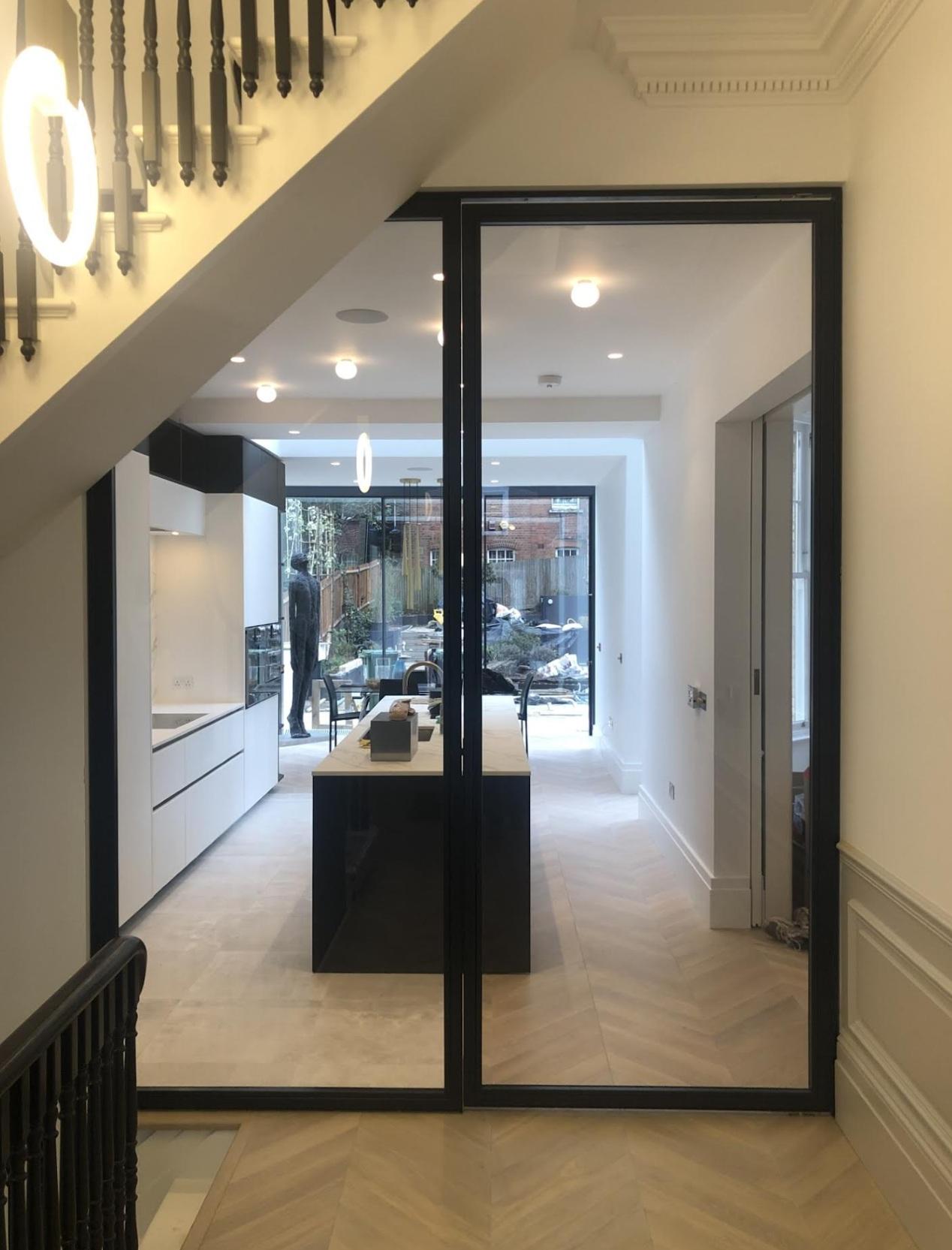
How to Choose the Best FD30 Fire Rated Steel Door for Residential Projects in the UK
Fire safety rarely sits at the top of a residential wish list—until a building inspector asks for certification, or a layout change turns a hallway into a protected escape route. Choosing an FD30 fire rated steel door is about more than ticking a compliance box; it is about protecting lives while preserving design intent. With the popularity of slim-frame glazing and Crittall-style interiors across the UK, many projects now need a door that can deliver both aesthetics and proven performance.
Steel doors can be an excellent choice for FD30 applications because steel is inherently stable, durable, and capable of supporting slim sightlines. When specified correctly, an FD30 steel door can align with modern residential architecture, from townhouse conversions to high-end apartments. As a manufacturer of bespoke steel doors and windows, Portamet regularly supports projects where fire performance, thermal efficiency, and refined detailing need to coexist in one custom-made solution.
Understanding FD30: What the Rating Actually Means
FD30 indicates that a doorset has been tested to provide 30 minutes of fire resistance under specified conditions. In practical terms, an FD30 door is intended to delay fire and smoke spread long enough to support safe evacuation and to help protect escape routes. In UK residential projects, FD30 doors are often required in specific locations depending on the building type, height, layout, and any conversion work.
A key point: an FD30 rating applies to the tested doorset as a whole, not just the door leaf. This typically includes the leaf, frame, glazing (if present), seals, ironmongery, and installation method. Selecting an “FD30 door” without confirming the doorset scope is one of the most common pitfalls in specification.
Identify Where an FD30 Steel Door Is Needed in a Home
FD30 requirements are influenced by Building Regulations and the fire strategy for the property. Common residential scenarios where an FD30 doorset may be required include:
- Loft conversions where the stair enclosure becomes a protected route.
- Doors between a garage and a dwelling, depending on the design and fire separation strategy.
- Flats and apartments, where flat entrance doors and corridor doors can be part of a protected route strategy.
- Houses in multiple occupation (HMOs), where fire compartmentation is typically more stringent.
Project requirements should be confirmed with a building control body, a qualified fire engineer, or the project architect. Early confirmation prevents last-minute redesigns—particularly important when slim-frame glazing or bespoke steel frames are part of the interior concept.
Choose a Certified FD30 Doorset, Not Just “Fire-Rated Materials”
Fire resistance is proven through testing to relevant standards and, in many cases, supported by third-party certification. A robust approach is to specify a doorset that has documented evidence of performance, including the permitted configurations (sizes, glazing apertures, hardware, and seals). This avoids assumptions such as “steel is non-combustible, so it must be fine.”
Important checks during specification include:
- Test evidence showing FD30 performance for the same door type and configuration (single/double leaf, glazed/solid, side panels, overpanels).
- Approved hardware schedules detailing which hinges, closers, locks, and latches are permitted.
- Scope limitations such as maximum leaf size, permitted glass types, and allowed vision panel dimensions.
- Installation requirements, including fixings and gap tolerances, which can affect real-world performance.
Glazed FD30 Steel Doors: Balancing Light and Fire Performance
One reason steel doors are so popular in UK residential design is the ability to create slim-frame glazing that brings light deep into a plan. Achieving that with an FD30 rating is possible, but it must be engineered and specified correctly.
For FD30 glazed doors, ensure the specification covers:
- Fire-rated glazing appropriate to the application (integrity-only or integrity + insulation, depending on the fire strategy).
- Approved glazing beads and fixing method as tested for fire performance.
- Maximum glazed area and sightline constraints that align with test evidence.
- Compatible seals such as intumescent and smoke seals around the perimeter and glazing system where required.
The most successful outcomes come from treating a glazed FD30 steel door as a fully integrated doorset design, not a standard interior door with upgraded glass. In Crittall-style and slim-frame glazing concepts, collaboration between designer, manufacturer, and installer is essential to keep proportions elegant while remaining within certified parameters.
Smoke Control: Don’t Overlook the “S” in Real-World Safety
In many residential fire strategies, smoke control is just as critical as fire resistance. Depending on the application, a doorset may need smoke seals (often indicated by “S” classifications in some contexts). Smoke spreads faster than flame and can compromise escape routes quickly, especially in multi-storey homes.
Key considerations include:
- Perimeter smoke seals integrated into the frame or leaf.
- Threshold detailing that manages gaps without creating trip hazards or accessibility problems.
- Door closer selection to ensure consistent latching, as an unlatched door may not perform as intended in a fire.
Hardware and Closers: Performance Depends on the Details
Even the best steel door leaf can fail to meet expectations if the hinges, lockcase, closer, or latch are not suitable for the tested configuration. Fire-rated doorsets are sensitive to hardware changes, and substitutions should be treated carefully.
For residential projects, typical hardware questions to resolve early include:
- Self-closing requirements (often required for protected routes), including the preferred closer type and aesthetic impact.
- Latch and lock function to ensure the door reliably closes and engages.
- Hinge grade and quantity suited to steel construction and door weight.
- Access control considerations for apartment entrances, where door performance, security, and usability must align.
A well-specified ironmongery schedule helps preserve the design intent of bespoke steel frames while ensuring that compliance is not compromised late in the build.
Thermal Performance and Comfort in Residential Settings
Fire performance is the priority for FD30 doors, but comfort still matters in homes—especially in projects involving external-facing corridors, enclosed lobbies, or draught-prone conversions. Steel doors can be designed to support strong thermal performance when the system uses appropriate construction and sealing strategies.
Consider:
- Air tightness through high-quality seals and precise fabrication tolerances.
- Thermal breaks where relevant, particularly if the doorset forms part of an external envelope or semi-exposed zone.
- Acoustic comfort, especially in apartments and HMOs where noise transfer is a concern.
Because Portamet produces bespoke steel doors and windows with a focus on slim profiles and performance-led engineering, projects can often be tailored to address multiple needs at once—fire strategy, durability, and the clean lines expected of modern steel-framed glazing.
Design Compatibility: Achieving a Slim-Frame, Crittall-Style Look
Many residential clients want the classic grid aesthetic associated with Crittall-style interiors, but also need certified performance. The key is to align design goals with what can be supported by a tested doorset configuration.
Helpful design approaches include:
- Prioritising proportion: fewer, well-placed glazing bars can deliver a refined look without excessive complexity.
- Coordinating with adjacent screens: matching sightlines across partitions and doors creates cohesion even if the door profile must be slightly adjusted for certification.
- Managing door weight: larger glazed panels and thicker fire-rated glass can increase weight, influencing hinge and closer selection.
In higher-end residential projects, bespoke steel frames allow alignment between architectural intent and compliance requirements—especially when the manufacturer is involved early enough to advise on feasible configurations.
Installation Quality: The Most Underrated Part of Fire Performance
FD30 performance relies on correct installation, including frame fixing, tolerances, and seal continuity. Common issues arise when site conditions differ from assumptions, or when installers are unfamiliar with steel-framed doorsets.
Practical installation checks include:
- Accurate structural openings with plumb and level reveals to avoid twisting the frame.
- Correct perimeter gaps in line with the doorset requirements and seal design.
- Verified hardware alignment to ensure reliable closing and latching.
- Careful finishing so seals, beads, and glazing are not compromised post-install.
A doorset with excellent test evidence can underperform if installed poorly, so it is worth planning installation responsibilities, inspections, and sign-off procedures from the outset.
Questions to Ask When Comparing FD30 Steel Door Options
Before committing to an FD30 steel door supplier or specification, these questions help clarify suitability:
- Is the offer a complete certified doorset, and what exactly is included?
- Does the evidence cover the same configuration (glazing size, single/double leaf, side panels)?
- Which ironmongery items are approved, and can the preferred handles/closers be accommodated?
- What limits apply to sizes, glazing patterns, and sightlines?
- What installation instructions must be followed to maintain compliance?
- Can the doorset be coordinated with matching steel windows, partitions, or screens for a unified interior?
Bringing It All Together for UK Residential Projects
The best FD30 fire rated steel door is one that matches the fire strategy, is supported by credible test evidence for the intended configuration, and is installed as specified. For residential projects in the UK, the ideal solution also respects the interior concept—often slim-frame glazing that keeps spaces bright and visually connected.
For projects requiring bespoke steel frames with slim sightlines and a premium finish, exploring custom-made steel doors and windows can help reconcile design ambitions with performance requirements. Portamet manufactures bespoke steel doors, steel windows, and steel-framed partitions with European craftsmanship and international delivery, supporting architects and homeowners looking for refined, performance-led steel glazing. Enquiries, technical discussions, and project quotations can be initiated to confirm the best route for an FD30-compliant design.