Industrial Style FD30 Fire Doors – Combining Safety and Modern Design
Fire doors often get treated as a necessary compromise: safe, compliant, and visually forgettable. That assumption no longer holds. Industrial-style FD30 fire doors can deliver certified protection while enhancing the architecture of an interior—especially when slim steel frames and carefully selected glazing bring light, rhythm, and a refined edge to a space.
For projects aiming to balance performance with aesthetics—residential renovations, hospitality fit-outs, office refurbishments, or multi-unit developments—FD30-rated doors in a Crittall-style look can become a design feature rather than a hidden requirement. With bespoke steel doors and windows manufactured in Gdańsk, Poland and delivered across Europe, the UK, and the USA, Portamet supports designers and specifiers seeking modern industrial character without sacrificing build quality or thermal efficiency.
What an FD30 Fire Door Rating Means in Practice
FD30 indicates a fire door designed to resist fire and smoke for 30 minutes when correctly specified, installed, and maintained. The “30 minutes” matters because it supports safe evacuation and helps limit fire spread between compartments. In many buildings, this time buffer is critical for protecting life and reducing property damage.
FD30 performance is never just about the leaf alone. Certification depends on a tested doorset: the door leaf, frame, glazing (if present), seals, hinges, latch/lock, closer, and installation method. An industrial-look fire door must therefore be designed as a complete system, ensuring the visual choices—slim frames, sightlines, and glass layout—do not undermine compliance.
FD30 vs. “Fire-Rated” as a Generic Claim
Not all products marketed as “fire-rated” deliver the same evidence or scope. A robust specification relies on traceable test data or certification that reflects the actual build-up, including hardware and glass type. Where glazing is required, the glass must also meet the relevant fire performance criteria for integrity and, where specified, insulation.
For architects and contractors, the key takeaway is simple: treat the fire door as a certified assembly, not a collection of individually “fire-rated” components. Industrial styling can absolutely be achieved—but it needs disciplined detailing.
Why Industrial Style Works So Well with Fire Door Requirements
Industrial interiors thrive on honest structure and clear geometry. Steel-framed doors, slim-frame glazing, and grid-like divisions naturally reinforce the aesthetic—while also lending themselves to robust construction. In other words, industrial design language and performance-led specification can align rather than conflict.
Where traditional FD30 doors might rely on bulky sections and flat finishes, an industrial-style fire door can introduce depth, shadow lines, and proportion. Sightlines become part of the composition, helping doors feel integrated with partitions, screens, and steel windows throughout a project.
Common Spaces Where FD30 Industrial Doors Shine
- Hallways and escape routes in apartment buildings and mixed-use schemes
- Office corridors connecting open-plan areas with meeting rooms
- Hotel lobbies and guest corridors where design coherence matters
- Renovated townhouses with open layouts needing discreet compartmentation
- Loft-style apartments using Crittall-style doors to divide zones while keeping light
Designing an FD30 Industrial Door: Key Elements That Matter
Achieving the industrial look is about proportion and restraint: slim steel profiles, consistent mullion lines, and a finish that complements surrounding materials. Achieving FD30 performance is about controlled details: intumescent seals, correct clearances, compatible glazing, and tested hardware. The best outcomes come from designing both simultaneously.
1) Slim Steel Profiles and Sightlines
Slim-frame glazing is often the first reason industrial doors get specified. Narrow profiles maximise daylight transfer, keep spaces feeling open, and deliver crisp, architectural lines. In fire-rated contexts, slimness must be balanced with structural and performance requirements, ensuring the doorset remains stable under heat exposure and use.
Properly engineered steel frames can provide high strength in a visually minimal form. This is one reason steel doors and steel windows remain a favourite for Crittall-style concepts where elegance comes from thin lines rather than decorative features.
2) Glazing Layout and Visual Rhythm
Industrial doors often feature divided lights—vertical and horizontal bars creating a grid. The pattern can do more than look good; it can relate to adjacent glazing, align with stair balustrades, or echo ceiling modules. The most successful schemes treat the door as part of a wider composition across partitions and screens.
From a compliance perspective, glazed openings require careful selection of fire-rated glass and glazing systems. The goal is to preserve the intended transparency without introducing weak points.
3) Fire-Rated Glass: Clarity Without Compromise
Glazing can be the difference between a door feeling heavy or light. For industrial-style FD30 doors, the right fire-resistant glass keeps the signature look—clean panes, slim bars, and bright interiors—while meeting performance requirements.
Fire-rated glass specifications can vary by project and jurisdiction, and performance requirements may include integrity-only or additional insulation properties. Coordination early in design is essential, particularly where large panes, minimal bead details, or specific transparency levels are desired.
4) Seals, Gaps, and the Details That Make Certification Real
Industrial aesthetics favour tight, precise detailing. Fire performance also depends on precision: controlled clearances around the leaf, appropriate intumescent and smoke seals, and a frame that maintains alignment over time.
When a door is intended to look minimal, there is less visual tolerance for inconsistent gaps or misalignment. That makes manufacturing accuracy and installation quality even more important. A bespoke approach, where dimensions and tolerances are controlled from the outset, typically supports both appearance and performance.
5) Hardware: The Unsung Hero of FD30 Performance
Hinges, locks, latches, and closers must be compatible with the rated doorset. In industrial-style schemes, hardware is also visible and tactile—so aesthetics matters as much as durability.
- Closers ensure the door returns to the closed position, preserving compartmentation.
- Locks and latches must operate reliably under daily use while meeting fire door requirements.
- Hinges need to support the door’s weight and maintain alignment over time.
Choosing hardware should never be left to late-stage substitution. It is better treated as part of the architectural specification, aligned with the doorset certification and the visual language of the project.
Steel Fire Doors in Modern Interiors: Material Advantages Beyond the Look
Industrial styling is often the gateway, but steel brings practical benefits that make it especially suitable for high-traffic spaces. A well-made steel doorset can deliver longevity, stability, and a premium feel that suits both residential and commercial interiors.
Durability for Everyday Use
In offices, hotels, and multi-family buildings, doors are among the hardest-working components. Steel frames and leaves can handle frequent operation, cleaning, and incidental impacts better than many alternatives—helping doors maintain their alignment and appearance long term.
Dimensional Stability
Warping and movement can create uneven gaps that undermine performance and spoil the look. Steel’s stability supports consistent clearances and clean sightlines, particularly valuable for doors with larger glazed areas or slender profile designs.
Compatibility with Coordinated Glazing Systems
Industrial schemes often include matching elements: steel partitions, screens, sidelights, and fixed glazed panels. Steel-framed systems can create a cohesive set of lines and proportions across multiple elements, helping the fire door feel integrated rather than imposed.
Portamet, as a manufacturer of bespoke steel doors and windows, regularly supports these coordinated schemes—delivering slim steel frames that align across doors, partitions, and steel windows, with international delivery to clients across Europe, the UK, and the USA.
FD30 and Industrial Style in Residential Projects
Residential design is increasingly open-plan, but many homes still benefit from compartmentation—especially where kitchens connect to circulation spaces. An FD30 door can provide a practical boundary while maintaining the light, airy feel owners want.
Kitchen-to-Hallway Separation Without Blocking Light
One of the most common uses is between a kitchen and a hallway or stairwell. A glazed industrial-style FD30 door allows borrowed light to move through the plan while maintaining a protective barrier. The result can feel contemporary and calm rather than “institutional.”
Loft and Townhouse Renovations
In period renovations, steel-framed doors offer a modern counterpoint to original details. An industrial Crittall-style door can sit comfortably alongside restored timber floors and plasterwork, especially when profiles are kept slim and the grid is thoughtfully proportioned.
FD30 Fire Doors for Commercial and Hospitality Spaces
In commercial buildings, fire doors appear frequently—sometimes dozens or hundreds within a scheme. When every door contributes to the visual experience, design teams often look for a system that can repeat consistently across floors and zones.
Offices: Transparency and Zoning
Modern workplaces often require a blend of openness and acoustic privacy. Steel-framed glazed doors support visual connectivity while allowing meeting rooms, focus spaces, and corridors to be clearly defined. Where FD30 is required, the same industrial language can continue throughout, preventing the fire strategy from interrupting the design narrative.
Hotels and Restaurants: A Premium Feel with Practical Performance
Hospitality interiors demand materials that look good under close scrutiny and heavy use. Steel doors can deliver that “tailored” feel—precise corners, clean lines, and refined finishes—while supporting durability and compliance.
In restaurants, visibility matters: seeing into a private dining room or a bar area adds atmosphere. A glazed FD30 door can contribute to that experience while meeting safety requirements in back-of-house or circulation routes.
Crittall-Style and “Industrial” Keywords: Getting the Look Right
Terms like “Crittall-style,” “industrial doors,” and “slim-frame glazing” get used widely, but the visual effect depends on specific choices. A convincing industrial door is rarely about copying a single historic reference; it is about proportion, restraint, and consistency across the space.
Proportion: Stile Widths, Rail Heights, and Bar Spacing
Small changes in bar spacing can make a door feel elegant or busy. Wider spacing often feels calmer and more contemporary, while tighter grids can feel more traditional. Aligning the internal bars with adjacent window mullions or partition lines helps create a coherent architectural rhythm.
Finish: Matte vs. Satin vs. Subtle Texture
Black is the classic industrial finish, but it is not the only option. Deep greys, warm charcoals, and even muted colours can soften the contrast and better suit certain materials like oak, travertine, or limewash walls.
In high-touch areas, finishes should be chosen with maintenance in mind. A refined, durable coating can help preserve the door’s appearance over years of use.
Single Doors, Double Doors, and Side Panels
Where openings are wide, double doors can maintain symmetry and make movement easier. Adding fixed side panels or overlights can increase daylight transfer and strengthen the industrial aesthetic, turning an FD30 door into an architectural feature rather than a plain slab.
Thermal Efficiency and Comfort: An Often-Overlooked Part of the Brief
Fire performance is one aspect; everyday comfort is another. In some settings—especially residential and mixed-use—thermal efficiency and draught control matter alongside aesthetics. Steel-framed systems can be engineered to improve thermal performance, helping interiors stay comfortable and energy-efficient.
When door and window styles match across a façade or interior scheme, it becomes easier to maintain a consistent look while meeting practical performance goals. As a European manufacturer focused on bespoke steel frames, Portamet combines industrial aesthetics with attention to build quality and thermal efficiency, supplying steel doors and steel windows to projects across Europe, the UK, and the USA.
Specification Checklist: What to Confirm When Choosing an FD30 Industrial Door
Industrial styling invites minimalism, but fire doors reward thoroughness. Before finalising a specification, several items should be clarified to avoid late changes on site.
Performance and Compliance
- FD30 rating confirmed for the complete doorset configuration
- Smoke control requirements verified where applicable
- Glazing performance matched to the required fire rating and application
- Scope clarity: leaf, frame, seals, glazing, and hardware treated as one tested assembly
Design and Coordination
- Sightlines and profiles coordinated with adjacent partitions and steel windows
- Bar layout aligned with architectural grid lines where possible
- Finish selected for durability and compatibility with the interior palette
- Threshold detail considered early, especially for accessibility and floor finishes
Installation and Aftercare
- Wall build-up and tolerances confirmed before manufacturing
- Installer competence ensured for fire doorset installation
- Handover documentation and maintenance guidance planned for building management
Common Mistakes to Avoid with Industrial-Style Fire Doors
Industrial FD30 doors succeed when design intent and compliance are developed together. Problems typically arise when styling decisions are made in isolation, or when substitutions happen late in the build.
Specifying the Look First, Then Trying to “Make It Fire Rated”
Turning a standard glazed industrial door into an FD30 door after the fact often leads to bulkier profiles, compromised sightlines, or redesigns that delay a project. Starting with the fire rating requirement helps keep the design realistic from day one.
Underestimating the Role of Hardware
A sleek handle and minimalist latch can be tempting, but fire doors demand compatible components. Unapproved changes can jeopardise compliance and performance. Hardware should be treated as part of the doorset, not an accessory.
Ignoring How the Door Integrates with Adjacent Glazing
Industrial interiors usually include more than one steel element—doors, screens, and steel-framed windows. If proportions or finishes vary without intent, the space can feel inconsistent. Coordination across the whole package typically creates a calmer, more premium result.
How Bespoke Manufacturing Helps Achieve Both Aesthetics and Safety
Bespoke production is particularly valuable for industrial fire doors because openings are rarely perfectly standard—especially in renovations. Custom sizing helps maintain consistent margins and grid alignment, while allowing design teams to control how doors relate to nearby partitions and steel windows.
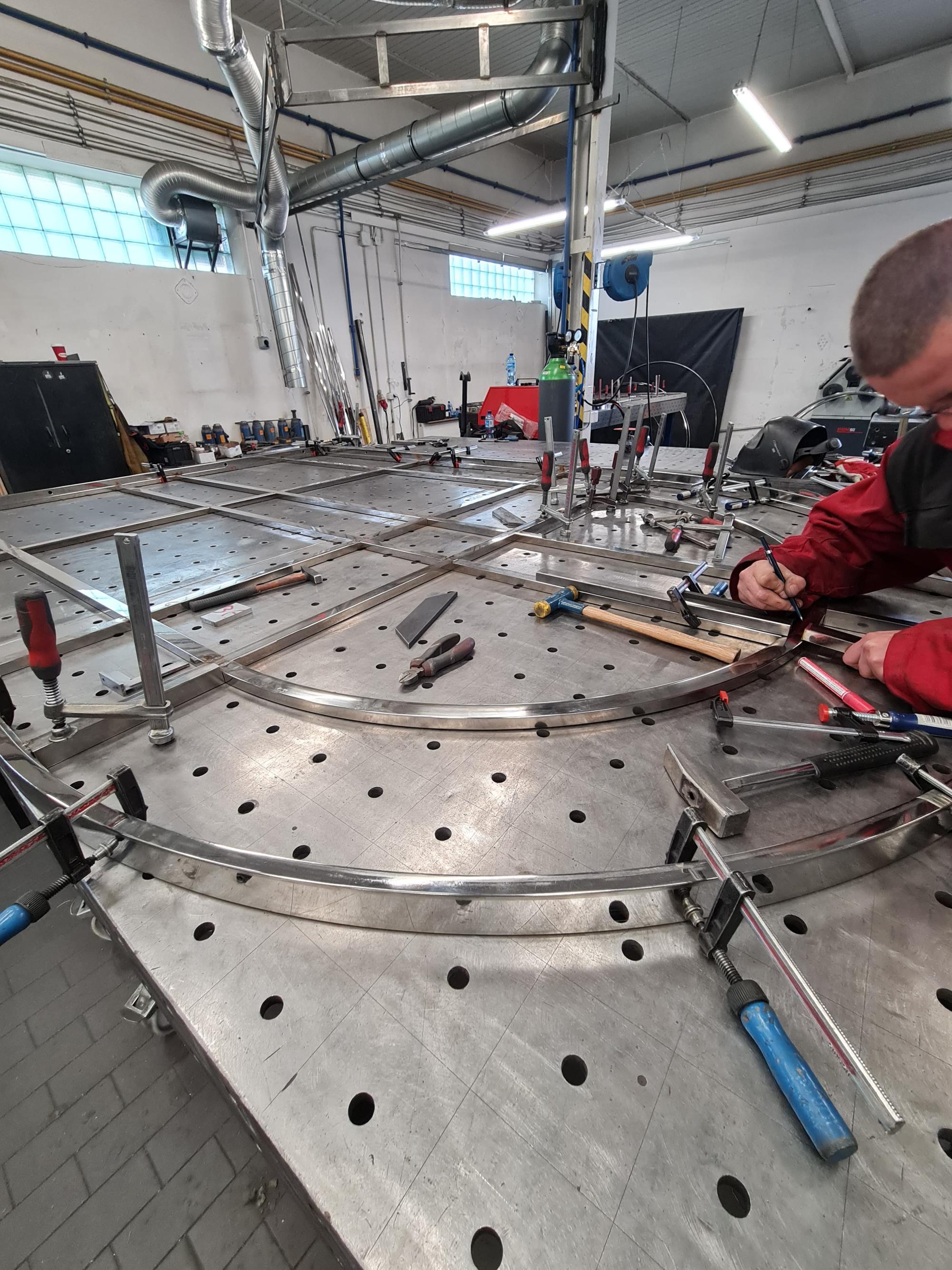
Precision manufacturing also supports the minimal look. Slim sightlines only look “right” when corners are crisp, lines are straight, and gaps are uniform. For projects seeking this level of finish, a manufacturer with dedicated steel fabrication expertise can make a visible difference.
Portamet manufactures bespoke steel doors and windows in Gdańsk, Poland, supplying clients across Europe, the UK, and the USA. This approach supports designers who want Crittall-style aesthetics, slim-frame glazing, and European craftsmanship—while keeping performance requirements in focus.
Bringing It All Together: Safer Spaces That Still Feel Light and Contemporary
Industrial style and FD30 performance do not need to sit at opposite ends of a specification. With slim steel frames, carefully selected fire-rated glazing, and properly coordinated seals and hardware, a fire door can enhance an interior rather than interrupt it.
For architects, designers, developers, and homeowners, the opportunity is clear: treat the fire door as part of the architecture. When lines align, finishes complement the palette, and transparency is used thoughtfully, safety features can become design features.
Explore Bespoke FD30 Industrial Doors with Portamet
Project requirements vary—opening sizes, glazing layouts, finishes, and performance needs all influence the right solution. Portamet supports these decisions with bespoke steel-framed doors and steel windows designed for modern architecture, featuring slim profiles, refined detailing, and international delivery across Europe, the UK, and the USA.
More information and quotations available through Portamet’s product pages and enquiry channels, with guidance available for selecting a configuration that balances industrial aesthetics with the demands of an FD30 specification.