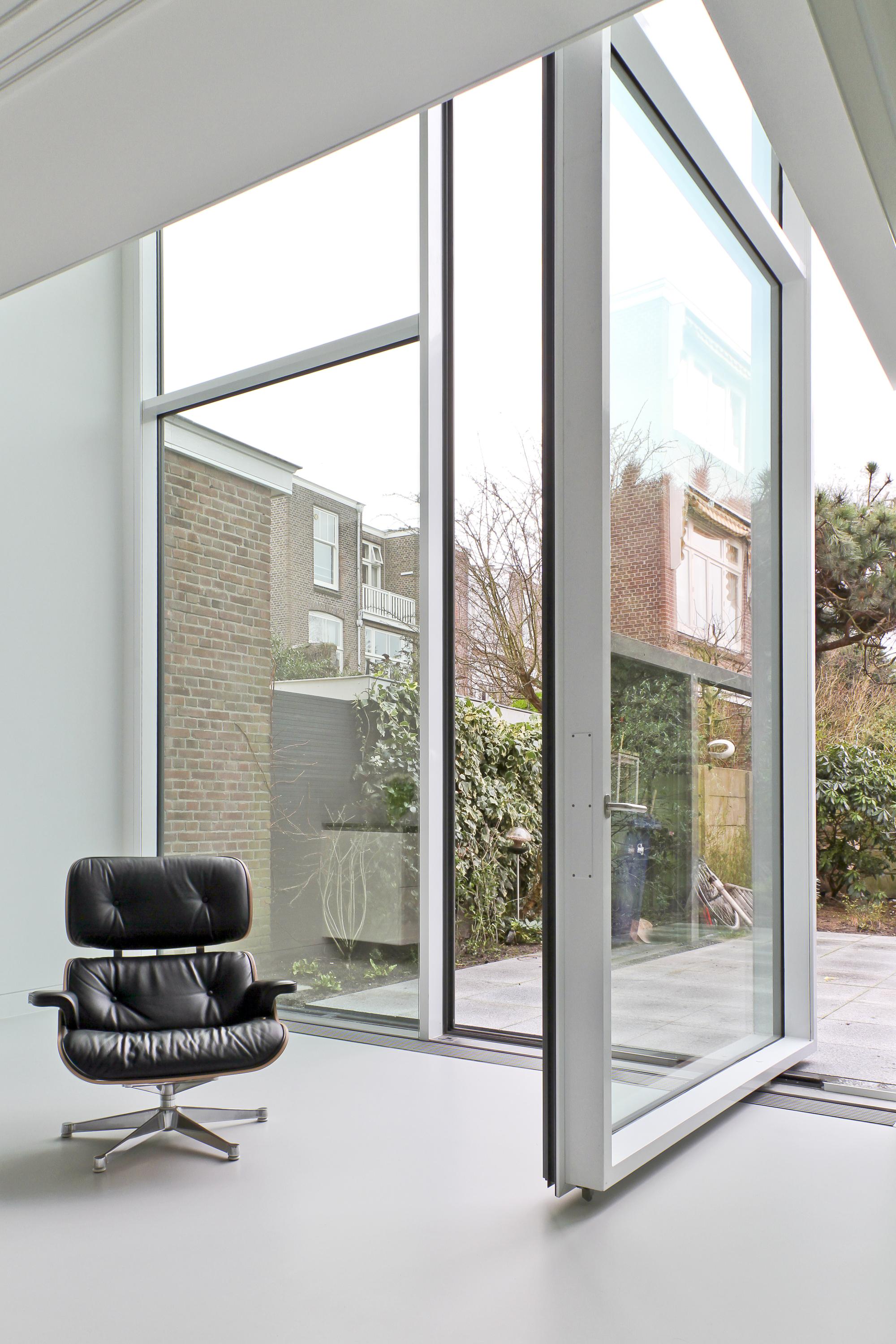
Secco Sistemi OS 65 Steel Windows Glazing: What to Know Before Specifying Slim-Frame Steel
Searching for steel windows that look elegantly minimal yet perform like a modern building envelope element often leads to one key question: which slim-frame system can deliver both aesthetics and real-world durability? Secco Sistemi OS 65 steel windows glazing is frequently discussed in architectural circles for its refined profile and suitability for contemporary and heritage-led projects alike. Understanding how this type of system is typically specified, detailed, and installed helps avoid costly redesigns later—especially when thermal targets, wind loads, and glazing choices are all in play.
Steel-framed glazing remains a favourite for architects and design-conscious homeowners because it offers crisp lines, large panes, and a distinctive “Crittall-style” rhythm that suits everything from loft conversions to high-end new builds. As a premium Polish manufacturer based in Gdańsk, Portamet produces bespoke steel doors and windows with slim steel profiles, strong thermal performance options, and European craftsmanship—delivered to clients across the USA, the UK, and Europe. That combination of design intent and performance expectations is exactly where an informed approach to systems like OS 65 becomes valuable.
What Is Secco Sistemi OS 65 Steel Windows Glazing?
Secco Sistemi OS 65 is commonly referenced as a steel window and door system used to create slim-frame glazing with a clean, architectural appearance. In practice, it is considered for projects where the frame needs to stay visually light while supporting substantial glass sizes and meeting modern comfort requirements. It is often used for external windows, glazed doors, and fixed screens depending on configuration and specification.
In the wider category of slim-frame glazing, “system” usually refers to a coordinated set of profiles, seals, hardware, and glazing methods designed to work together. The aim is to reduce risk during design and installation: consistent tolerances, predictable thermal behaviour, and tested performance characteristics. When evaluating OS 65-style steel windows glazing, the key is not only the name of the system but also how it is built, glazed, finished, and integrated into the surrounding wall construction.
Why Architects Choose Slim-Frame Steel for Glazing
Steel has a rare combination of strength and slenderness. Compared with many other frame materials, steel profiles can be narrower while still maintaining rigidity, which is why steel windows are associated with fine sightlines and maximum glass area. This is particularly important in renovation projects where the goal is to preserve or recreate a classic industrial grid without bulky frames.
Another advantage is proportion. Even when panes are subdivided into multiple lights, the visual weight can remain low. For modern residential architecture, that makes it easier to balance minimalism with warmth—especially when steel-framed glazing is paired with natural materials such as timber floors, limestone, or textured plaster. In commercial and hospitality interiors, slim steel screens and partitions add structure without blocking light.
The “Crittall-Style” Look—Without the Compromises
Many briefs ask for “Crittall-style” steel windows, meaning refined mullions, narrow glazing bars, and a crisp black or dark bronze finish. The challenge is achieving that aesthetic while meeting expectations for comfort, airtightness, and condensation control. Modern slim-frame systems typically rely on improved sealing, better glazing specification, and careful detailing to deliver a similar look with improved everyday performance.
For projects in the UK, northern Europe, or parts of North America where seasonal temperature swings are significant, the specification needs to address more than appearance. Issues like surface temperature on the inside frame, edge-of-glass condensation, and wind-driven rain exposure need to be considered early.
Key Specification Points for OS 65-Style Steel Windows Glazing
Specifying slim steel windows properly is as much about the details as the frame itself. The most successful projects align glazing, finish, hardware, and interface conditions with realistic performance goals. The following considerations apply broadly to OS 65-type steel glazing systems and to bespoke steel frames manufactured to a similar design intent.
1) Sightlines and Visual Rhythm
Sightline decisions influence the entire facade composition. The frame width, mullion thickness, and glazing bar dimensions determine whether the end result feels delicate or heavy. A well-considered grid can make a large elevation feel calm and ordered, while an inconsistent module can make even premium steel frames appear “busy.”
Early coordination with interior layout is also important. Aligning mullions with structural bays, kitchen runs, or stair balustrades can elevate the design substantially. When a project involves both external windows and internal partitions, consistent sightlines across the building create a cohesive architectural language.
2) Glazing Specification: Double, Triple, and Specialist Glass
Glass selection is central to comfort and compliance. For many residential projects, double glazing is the baseline, but performance depends on the full makeup: pane thickness, coatings, gas fill, and spacer design. Low‑E coatings improve thermal retention, while warm-edge spacers can reduce condensation risk at the perimeter.
Specialist glazing may be appropriate depending on the site and use case:
- Acoustic glazing for urban streets, near airports, or mixed-use areas.
- Solar control glazing
- Laminated safety glass for security, impact resistance, or overhead/near-floor conditions.
- Privacy or obscured glass for bathrooms and overlooked boundaries.
Glazing thickness and unit weight also affect hardware selection and sash sizing. Slim-frame steel can support impressive panes, but hinges, handles, and locking mechanisms must match the loads and frequency of use.
3) Thermal Performance and Condensation Control
Thermal performance in steel-framed glazing depends on system design, glazing choice, and how the frame is installed. Because steel is conductive, modern approaches typically focus on improved sealing strategies and thermal improvements within the profile design. The goal is to keep interior surfaces warmer, reduce drafts, and manage moisture risk.
Condensation is not only a comfort issue; it can affect finishes and surrounding materials. Good practice includes specifying warm-edge spacers, ensuring appropriate ventilation strategies, and detailing interfaces to avoid cold bridges around the perimeter. In high-humidity rooms such as kitchens and bathrooms, this becomes even more important.
4) Weather Tightness, Airtightness, and Drainage
External steel windows must resist wind-driven rain and remain stable under pressure. The quality of gaskets, alignment of seals, and the precision of fabrication all contribute to performance. Drainage paths are equally important; even the best systems rely on controlled water management rather than assuming water will never reach the frame.
For exposed coastal sites or upper-floor elevations, performance requirements may be higher. Early evaluation of wind loads and site exposure helps determine sash sizes, mullion spacing, and fixing strategies.
5) Hardware and Day-to-Day Use
Steel-framed glazing should feel solid and refined in daily operation. Handle ergonomics, hinge type, opening restrictors, and multi-point locking influence how the product performs over years of use. Poor hardware choices can undermine an otherwise excellent specification, especially on heavier glazed doors or frequently used kitchen-dining openings.
Common opening types include side-hung casements, tilt-and-turn configurations (where available), pivot doors, and fixed lights. Each has different implications for sealing, cleanability, and structural support. Matching the opening style to the room function is a practical way to avoid regret—particularly in family homes or hospitality settings.
Steel vs Aluminium for Slim-Frame Glazing: A Practical Comparison
Steel and aluminium are often compared because both can deliver contemporary, minimal glazing. However, they behave differently and create different aesthetics. Steel’s key advantage is strength at small section sizes, which often results in finer sightlines and a more authentic industrial look. Aluminium can be highly versatile and thermally efficient, but profiles may appear bulkier when trying to achieve similar structural performance.
For projects where the grid and proportions are the hero—loft-style renovations, heritage contexts, or interior steel partitions—steel often feels more architecturally “correct.” For large sliding solutions, aluminium may sometimes be preferred depending on project goals, although steel is also used in certain bespoke configurations when a distinct aesthetic is required.
Where OS 65-Style Steel Windows Glazing Works Best
Slim-frame steel glazing is not limited to a single architectural style. It can be tailored to suit multiple contexts, from classic townhouse renovations to minimalist villas. Systems like OS 65 are often associated with refined, modern steel joinery that can be adapted to both traditional and contemporary envelopes.
Residential Renovations and Extensions
In renovations, steel windows can help maintain the character of a property while upgrading performance. Extensions benefit from steel’s ability to create large openings and strong visual connections to gardens or courtyards. Slim frames reduce visual interruption, making spaces feel brighter and more spacious.
Many homeowners choose steel doors between kitchen-dining spaces and terraces to create a seamless indoor-outdoor relationship. Fixed steel screens can also be used to frame views while keeping the facade composition clean.
Architect-Led New Builds
In new builds, steel-framed glazing supports minimalist architecture by keeping edges crisp and profiles consistent across elevations. When combined with high-quality glass and thoughtful shading strategies, steel windows can form part of a comfortable, energy-aware design—especially in climates where airtightness and thermal strategy are coordinated from the start.
New builds also offer the best opportunity to detail structural supports and reveals to complement slim frames. Deep reveals, shadow gaps, and carefully aligned plaster lines can make steel windows look integrated rather than “added on.”
Interior Partitions and Steel Screens
Internal steel screens are one of the most effective ways to divide space without sacrificing light. They are popular in home offices, kitchens, and hallway transitions, as well as in restaurants and boutique hotels. Slim-frame glazing provides separation for acoustics and zoning while keeping a sense of openness.
Here, the performance priorities shift: acoustic comfort, robustness, and consistent finish quality become more important than weather resistance. Even so, the same principles apply—precise fabrication and high-quality glazing make the difference between a premium result and a merely “industrial-looking” one.
Design Detailing Tips for Better Results
The success of steel windows glazing depends heavily on design detailing. Even an excellent frame system can be undermined by poor interfaces with the surrounding wall, awkward junctions, or misaligned sightlines. The following considerations help improve the final outcome.
Plan the Reveals and Finishes Early
Reveals influence how slim the frames appear. A well-designed recess can visually reduce frame depth and create elegant shadow lines. Coordination with insulation thickness, plaster buildup, and cladding systems is essential, particularly in energy-conscious construction where wall assemblies can be substantial.
Finishes should also be decided early. Black remains popular, but charcoal, bronze, and warm greys are increasingly specified to soften the contrast. In high-end interiors, matching steel frames to metal accents—lighting, taps, or stair details—can create a cohesive palette.
Use Consistent Modules Across Elevations
Consistency is a hallmark of premium steel glazing. Keeping mullion spacing consistent across a facade, aligning transoms across rooms, and maintaining coherent proportions makes the design feel intentional. Where modules must change due to structure or function, clear transitions avoid visual clutter.
A helpful approach is to establish a “primary grid” and only deviate where necessary. This is especially effective on mixed elevations that combine fixed lights, opening sashes, and doors.
Coordinate Thresholds and Drainage for Doors
Door thresholds are often the most complex junction. The desired aesthetic is typically a minimal, near-flush transition, but water management, accessibility, and airtightness all need to be addressed. The right solution depends on exposure, floor levels, and whether the opening leads to a covered terrace or an open patio.
Good coordination between architect, contractor, and manufacturer helps determine finished floor levels, external falls, and drainage channels before manufacturing begins.
Manufacturing Quality: What Separates Premium Steel Windows from the Rest
Not all steel doors and windows are equal, even when the sightlines appear similar in photos. Premium results come from precision: accurate fabrication, careful welding and finishing, and controlled glazing and sealing processes. Steel frames should feel crisp at corners, consistent in gaps, and solid in operation.
Finish quality matters particularly because steel is often used as a visual feature. Powder coating or other high-quality coatings should be specified to suit the environment, especially for coastal or high-pollution locations. Hardware selection should also match the durability expectations of the building type, whether it is a private home or a high-traffic hospitality venue.
Portamet’s approach centres on bespoke steel frames manufactured in Poland with slim profiles and a focus on durability and refined detailing. With projects supplied across Europe, the UK, and the USA, the production process is geared toward meeting varied architectural expectations and coordination requirements across different markets.
Common Mistakes to Avoid When Specifying Slim-Frame Steel Windows
Overprioritising Aesthetics and Underprioritising Performance
It is tempting to focus solely on the thinnest possible sightlines. However, the best outcomes balance appearance with comfort and reliability. Airtightness, glazing performance, and thermal detailing should be treated as integral to the design, not as add-ons.
Leaving Interfaces Until Late Stage
Steel windows interact with structure, insulation, vapour control layers, and finishes. Late-stage changes to wall build-ups or floor levels can cause delays or force compromises in reveal depth and threshold design. Early coordination avoids expensive adjustments.
Ignoring Maintenance and Access
Large panes and slim frames look impressive, but cleaning access and maintenance should be considered. Opening configurations, restrictors, and safety requirements need to be aligned with practical use—especially on upper floors or in hard-to-reach locations.
How to Approach a Specification Conversation
A productive specification process typically begins with a clear brief and a few priority decisions. Establish the aesthetic goal (grid, sightlines, finish), confirm performance expectations (thermal comfort, acoustics, security), and define the opening types. Then coordinate dimensions and interfaces with the building envelope.
Useful information to prepare before speaking with a steel window manufacturer includes:
- Elevation drawings showing modules and opening elements.
- Wall build-ups and intended reveal details.
- Exposure conditions (coastal, high wind, urban pollution).
- Glazing preferences (acoustic, solar control, privacy, safety).
- Hardware expectations (security level, restrictors, access control).
This information supports accurate pricing, realistic lead times, and a smoother path from concept design to installation.
Secco Sistemi OS 65 and Bespoke Alternatives: Choosing the Right Route
When a system name such as OS 65 appears in a project discussion, it often signals a desire for a certain design language: slim steel profiles, refined glazing, and a premium finish. The important step is ensuring the chosen solution aligns with the project’s performance needs, detailing approach, and supply logistics.
In many cases, a bespoke manufacturer can achieve the desired aesthetic while tailoring dimensions, opening types, and project-specific details—particularly when coordination with unique architectural conditions is required. For international projects, reliable communication, clear drawings, and robust packaging and delivery planning become part of the quality equation.
Portamet supports architects, designers, builders, and homeowners with custom-made steel doors, steel windows, partitions, and screens—manufactured in Gdańsk and supplied to clients across Europe, the UK, and the USA. Slim-frame glazing, Crittall-style compositions, and performance-conscious specifications can be developed to suit both contemporary and heritage-led design briefs.
Conclusion: A More Confident Path to Slim-Frame Steel Glazing
Secco Sistemi OS 65 steel windows glazing is often associated with a clean, architectural approach to steel joinery—where proportions, detailing, and glass specification work together to create bright, modern spaces. The most successful projects treat steel windows as part of the building envelope, not merely as an aesthetic feature, and invest time in glazing choices, interfaces, and hardware selection.
For projects seeking bespoke steel frames with slim sightlines, European craftsmanship, and delivery experience for the UK, Europe, and the USA, exploring Portamet’s steel doors and windows is a natural next step. Product guidance, technical coordination, and a tailored quotation can help translate design intent into steel-framed glazing that performs beautifully for years.