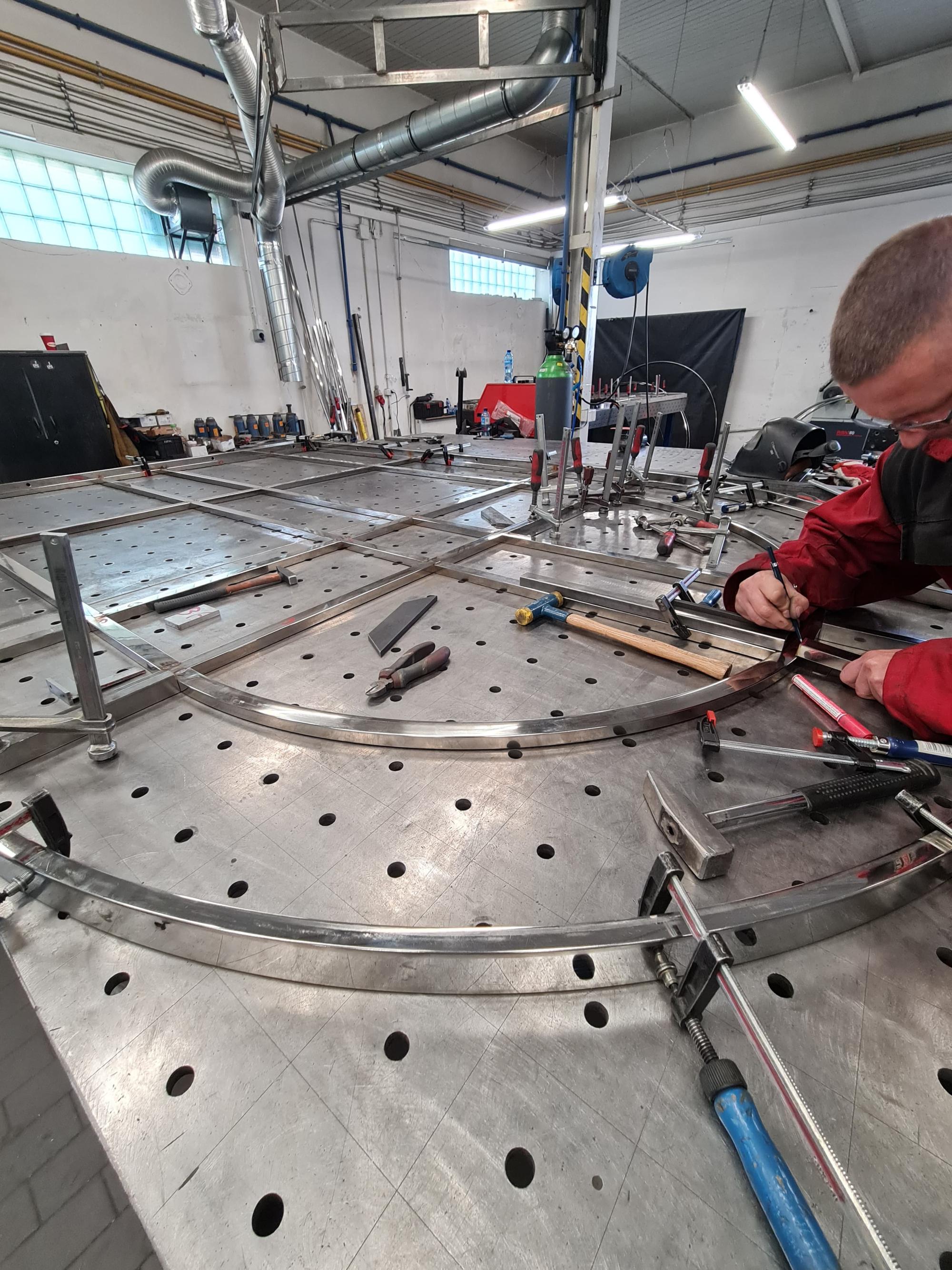
Arched Steel Mirror: Elegant, Minimalist Design That Opens Up Any Interior
Looking for a single detail that makes a room feel taller, brighter, and more considered? An arched steel mirror offers that impact without visual clutter. With its soft curve and crisp steel outline, it balances architectural character with minimalist restraint—working equally well in modern apartments, heritage renovations, and boutique commercial spaces.
Why Arched Mirrors Feel Timeless
The arch has been used in architecture for centuries, yet it remains strikingly current in contemporary interiors. The curve adds a gentle counterpoint to the straight lines of cabinetry, tiled walls, and plastered corners. In minimalist spaces, that subtle geometry creates interest without introducing extra colours or ornament.
An arched mirror also has an instinctive “window-like” quality. When framed in slim steel, it can read like a refined, Crittall-style internal feature—bringing structure and rhythm to the wall while keeping the overall look light.
What Steel Adds: Definition, Slim Sightlines, and Durability
Steel is ideal for minimal frames because it is inherently strong. That strength allows for slim-frame glazing aesthetics even in non-glazed elements such as mirrors. The result is a crisp outline that defines the shape clearly, rather than relying on bulky mouldings or thick borders.
Beyond looks, steel performs well over time. A properly finished steel frame resists day-to-day knocks better than many softer materials, making it suitable for high-traffic areas such as hallways, entryways, and commercial washrooms.
Design Benefits in Real Rooms
More light, without renovations
A mirror placed opposite a window can bounce daylight deeper into the interior. The arched top helps lift the eye upward, making the wall feel taller and the room more open. This is particularly effective in narrow corridors, compact bathrooms, or smaller living rooms that need a brighter, airier feel.
A strong focal point that stays minimal
Minimalism works best when one or two features carry the visual weight. An arched steel mirror can be that anchor: simple, graphic, and architectural. In neutral interiors, it adds contrast and definition; in more layered schemes, it brings calm and structure.
Softening hard materials
Many contemporary palettes rely on stone, concrete, terrazzo, microcement, or large-format tiles. These finishes can look sharp and sophisticated, but also quite rigid. The arch introduces a softer line that balances those hard surfaces while still feeling modern.
Where an Arched Steel Mirror Works Best
Hallways and entryways
A tall arched mirror near the entrance is both practical and visually expanding. Pairing it with a slim console or a floating shelf keeps the area clean and functional. A steel frame in black or deep graphite adds definition against light plaster or warm timber panelling.
Bathrooms and powder rooms
An arched mirror above a vanity adds height and elegance, especially when paired with wall-mounted taps and a simple backsplash. In bathrooms, the appeal lies in contrast: the refined steel line against stone or tile creates a tailored, spa-like look.
Bedrooms and dressing areas
Used as a full-length piece or positioned above a low dresser, an arched mirror makes a bedroom feel larger without changing the furniture layout. A minimal steel frame keeps the look grown-up and architectural rather than decorative.
Living rooms and dining spaces
An arched mirror can behave like an artwork substitute, particularly on a wall that needs presence but not colour. Over a sideboard or behind a dining table, it reflects light and adds depth, making the space feel more generous during evening lighting as well.
Key Decisions: Size, Proportion, and Placement
Choose a size that matches the wall
For maximum effect, an arched mirror should be sized with intention. Too small can feel like an afterthought; too large can overwhelm. A good rule is to let the mirror width relate to nearby furniture—often slightly narrower than a console, vanity, or dresser for balanced proportions.
Decide between leaning or wall-mounted
Leaning mirrors feel relaxed and contemporary, and work well in bedrooms or living spaces. Wall-mounted versions look more architectural and intentional—ideal for bathrooms, entryways, and commercial interiors where safety and clear circulation matter.
Use the reflection strategically
Mirrors do not just reflect light; they reflect whatever is in front of them. Positioning should favour views of windows, greenery, art, or attractive architectural details. Avoid reflecting cluttered storage, busy utility zones, or harsh ceiling lighting wherever possible.
Finish and Detail: Keeping It Elegant and Minimal
A minimalistic arched steel mirror succeeds when details stay clean. Slim profiles, tight corners, and a consistent finish all contribute to a premium look. Matte black is a popular choice for a Crittall-style feel, while softer graphite, bronze tones, or custom colours can coordinate with door hardware, taps, or lighting.
Hardware selection also matters. Concealed fixings or discreet mounting points keep the focus on the arch and the steel line. When the frame is well made, the mirror reads as a built-in architectural element rather than a temporary accessory.
Bespoke vs Off-the-Shelf: When Custom Makes the Difference
Standard mirrors work well for simple updates, but bespoke options are often worth considering in design-led projects. Custom sizing ensures the arch aligns with ceiling heights, wall panelling, tile grids, or joinery. Bespoke production also allows for consistent steel profiles across multiple elements, creating a coherent interior language.
This is where a manufacturer’s expertise becomes valuable. Portamet, based in Gdańsk, Poland, is known for high-quality bespoke steel doors and steel windows with slim sightlines and refined European craftsmanship. The same attention to proportion, finish, and made-to-order detailing that defines bespoke steel frames in architecture is what elevates steel-framed interior features—especially when a clean, minimalist result is the goal.
Styling Ideas That Stay Minimal
- Pair with simple lighting: wall sconces or a single pendant to keep the area calm.
- Echo the curve: repeat the arch subtly in a doorway, niche, or soft-edged furniture silhouette.
- Keep the palette tight: steel, timber, stone, and one accent material for a refined look.
- Let negative space work: avoid crowding the mirror with too many accessories.
Closing Thought
An arched steel mirror is a small change that can make an interior feel brighter, taller, and more architectural—without sacrificing the calm of minimalism. For projects that prioritise slim lines, custom proportions, and long-term quality, exploring bespoke steel frames can be a natural next step.
Portamet designs and manufactures bespoke steel doors, steel windows, partitions, and slim-frame glazing systems for clients across Europe, the UK, the USA, Canada, and the Middle East. Project enquiries and quote requests can be directed to Portamet to discuss sizes, finishes, and design intent.
Suggested meta description (max 160 characters): Elegant arched steel mirrors bring minimalist impact, more light, and Crittall-style character. Learn sizing, placement, and bespoke options.